
Designing an open-concept living area can bring cohesiveness and fluidity to your home, enhancing both aesthetics and functionality. Open spaces not only appear larger but also create an inviting environment for family gatherings and socializing. In this ultimate guide, we will explore expert tips for designing an open-concept living area that balances style, comfort, and practicality.
Understanding Open-Concept Design
Definition of Open-Concept Living
Open-concept living refers to a design layout where major rooms such as the kitchen, dining, and living area are interconnected without walls or barriers. This layout emphasizes a flowing space, promoting interaction while maximizing natural light and space.
Benefits of Open-Concept Spaces
The advantages of open-concept layouts include:
Increased Space Perception: By minimizing walls, the area feels more spacious.
Improved Social Interaction: Family members can interact seamlessly, whether cooking, eating, or relaxing.
Enhanced Natural Light: Fewer walls mean more light enters from windows, creating a bright environment.
Versatile Design Opportunities: Homeowners can choose a variety of furniture and layout options without being limited by walls.
Statistics reveal that open-concept layouts can enhance property value and have become particularly popular among millennial buyers, with 40% of homebuyers searching for such configurations.
Planning Your Open-Concept Layout
:strip_icc()/erin-williamson-california-historic-2-97570ee926ea4360af57deb27725e02f.jpeg)
Identifying Zones within the Space
Effective zoning is key to an open-concept design. Identify distinct areas for cooking, dining, and relaxation. Using rugs, furniture placement, and lighting can help delineate these zones without the need for physical barriers. For instance:
Living Area: Position a couch and coffee table centrally to create a cozy conversation area.
Dining Area: Use a large dining table and chairs to mark this zone, perhaps with a chandelier or pendant lights for visual distinction.
Kitchen: Consider using an island to separate the cooking area from the dining and living areas, providing both functionality and boundary.
Traffic Flow and Organization
Traffic flow is crucial in an open-concept space. Ensure that movement between zones feels natural and unobstructed. For example:
Paths: Allow pathways of at least 3 feet between furniture and zones to facilitate easy movement.
Functionality: Place frequently used items (like utensils in the kitchen) within easy reach, and ensure that the layout allows for efficient preparation and clean-up.
Choosing the Right Color Palette
Color Psychology in Open Spaces
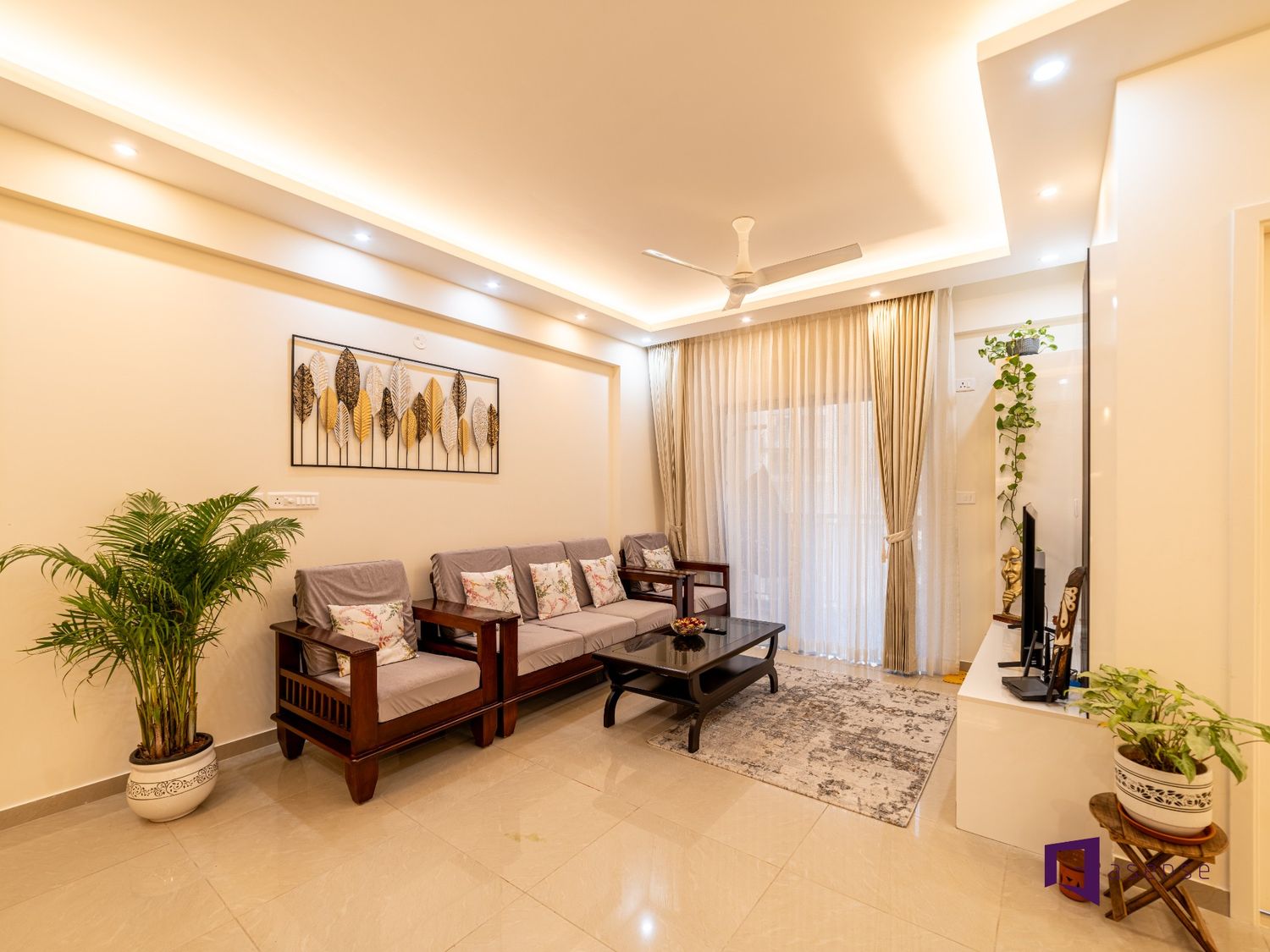
The choice of color can significantly impact the atmosphere of an open-concept living area. Colors can evoke specific emotions and feelings. For instance, warmer tones like yellows and oranges can create a welcoming and energetic vibe, ideal for social areas. In contrast, cooler shades like blues and greens promote calmness, perfect for more relaxing spaces.
Research indicates that color can influence moods; for example, blue can lower heart rates, while yellow tends to energize and stimulate.
Tips for Color Coordination
Coordinating colors in an open-concept living area ensures a seamless transition between different zones. Here are key tips for achieving harmonious color schemes:
Use a Unified Base Color: Selecting a single neutral base color across the entire space allows for continuity while providing a blank canvas for accent colors.
Accent Colors: Introduce accent colors through furniture, artwork, and decor elements. Ensure these colors complement each other to avoid clashing.
Balance with Patterns: Incorporating patterns through textiles (like cushions or curtains) can add depth while maintaining color coherence.
By following these expert tips, your open-concept living area can become a stylish, functional space that enhances both everyday living and entertaining.
Selecting Furniture and Decor
Choosing Multi-Functional Furniture
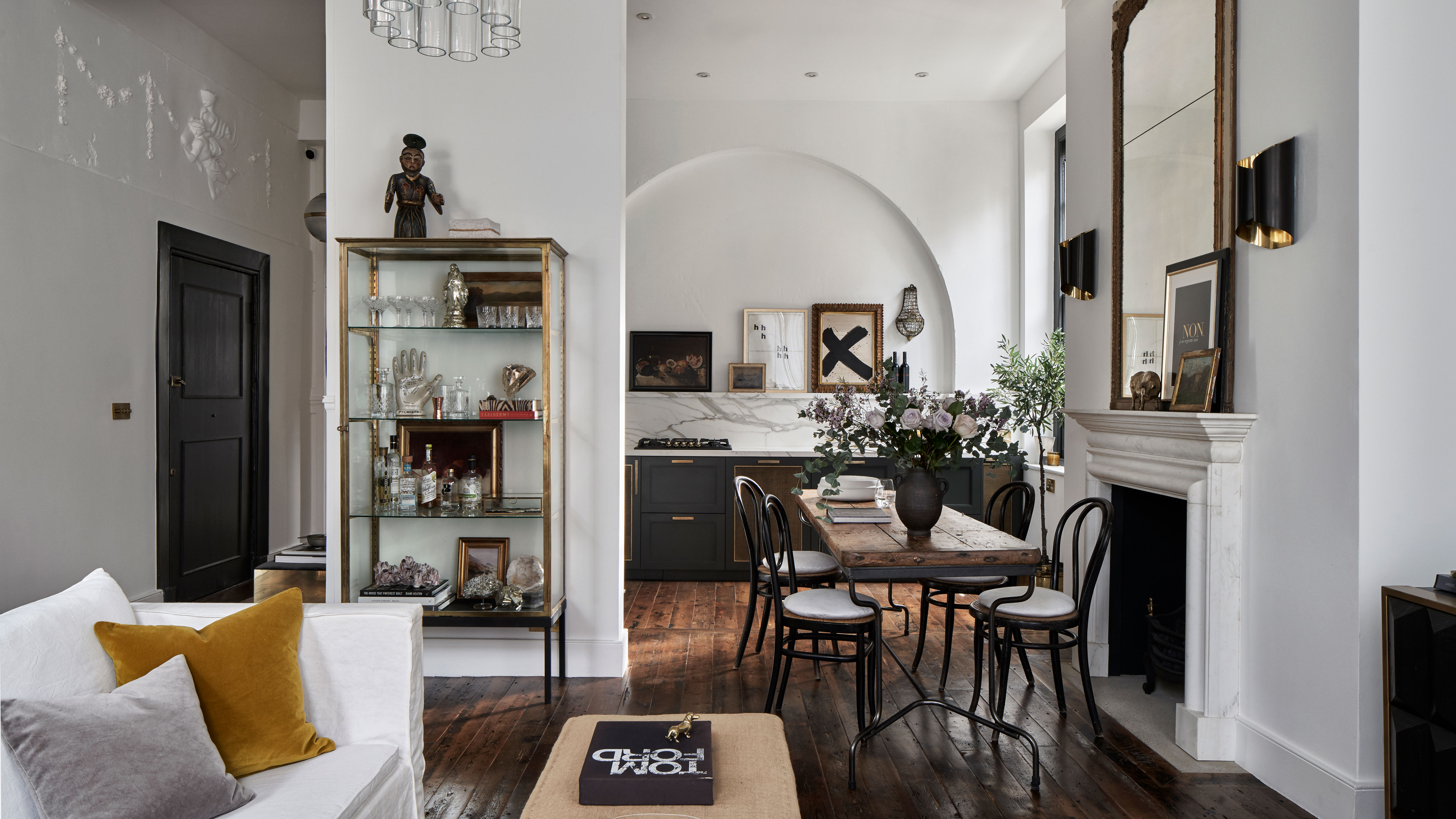
When designing an open-concept living area, opting for multi-functional furniture is essential for maximizing space and versatility. For instance, a sofa bed can serve as both a seating area during the day and a sleeping area at night, ideal for accommodating guests without needing a separate guest room. Additionally, coffee tables with built-in storage or extendable dining tables can easily adapt to varying needs. According to a survey by the American Home Furnishings Alliance, 77% of consumers seek multi-functional pieces to optimize their living space. These choices not only make the area more practical but also help maintain a clean and uncluttered aesthetic.
Decor Ideas for Cohesive Design
To achieve a cohesive design in an open-concept area, it’s important to select decor that harmonizes with the overall theme and color palette of the space. For example, if the living area features a modern style with a neutral palette, using abstract art pieces with a pop of color can add interest without overwhelming the senses. Incorporating textiles like rugs, throw pillows, and curtains that match or complement the main color scheme can help visually connect different zones. Relying on a unifying theme—such as coastal, industrial, or farmhouse—can help create a seamless flow between spaces, making the area feel intentional and thoughtfully designed.
Lighting Strategies for Open Areas
Natural vs Artificial Lighting
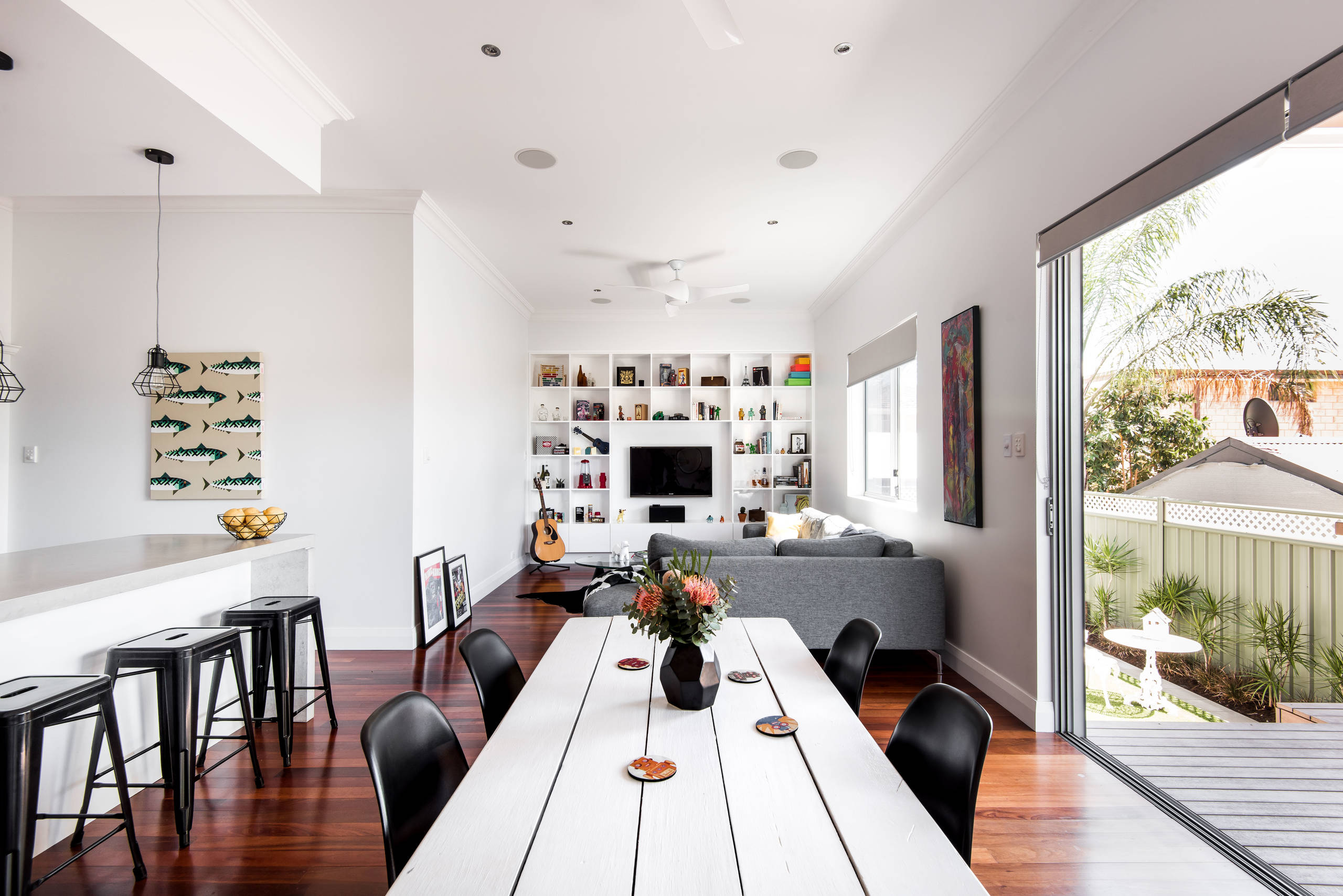
In an open-concept living area, lighting plays a crucial role in defining spaces and setting the mood. Natural light can be leveraged through large windows or glass doors, which not only brighten the area but also create a feeling of spaciousness. According to the American Society of Interior Designers, well-lit spaces can enhance mood and productivity. However, during evenings or cloudy days, artificial lighting becomes essential. Incorporating a mix of ambient lighting (like overhead fixtures), task lighting (like table lamps), and accent lighting (like wall sconces) will ensure that the area is versatile for various activities, from reading to entertaining.
Layered Lighting Techniques
Layering different types of lighting is a strategic approach to enhance functionality and ambiance in open spaces. By using a combination of general lighting, task lighting, and accent lighting, you can create a well-lit environment that serves multiple purposes. For example, an overhead chandelier can provide ambient light, while under-cabinet lights in the kitchen area can offer targeted illumination for food preparation. Adding floor or table lamps in the living room can create cozy nooks for relaxation. According to design experts, layering lighting can transform an open-concept room from a flat, uninviting space to an engaging, dynamic area that invites conversation and activity.
Incorporating Personal Style
Finding Your Design Aesthetic
Establishing a clear design aesthetic that resonates with your personal style is vital in an open-concept area. Consider exploring styles such as contemporary, minimalistic, rustic, or eclectic. Creating a mood board with inspiration from magazines, Pinterest, or design shows can assist in visualizing cohesive elements that appeal to you. This approach not only helps in selecting appropriate furniture and decor but also ensures that the end result feels authentic and reflective of your tastes. Statistics from the National Home Builders Association indicate that personalized design aesthetics in living spaces can increase homeowner satisfaction by up to 85%.
Reflecting Personality in Open Spaces
An open-concept area offers the ideal backdrop for showcasing personal items and treasures that tell your story. Consider incorporating family photos in stylish frames, travel souvenirs displayed on shelves, or handmade crafts as unique decor pieces. Each item can serve as a conversation starter while providing warmth to the overall environment. Additionally, consider using your favorite colors in accents like pillows, throws, or artwork. This reflects your personality and makes the space more inviting. Create a balance between personal touches and functionality to maintain an organized yet personalized living area.
Accessorizing an Open Concept Area
Accessorizing plays a pivotal role in completing the look of an open-concept living space. Thoughtfully selected accessories can enhance the overall design while adding warmth and texture. Key items to consider include area rugs that define seating zones, decorative trays on coffee tables for organization, and greenery through potted plants or floral arrangements that bring life to the room.
It’s important to maintain balance; too many accessories can create visual chaos while too few may leave the space feeling bare. For example, placing a large piece of abstract art on one wall can act as a focal point, while smaller items can be grouped on shelves or tables to create visually appealing vignettes. Ultimately, accessories should reflect both your personal style and the functional purpose of each area within your open-concept living space.
Importance of Accessories
Accessories play a crucial role in defining the character and ambience of an open-concept living area. These elements can transform a bland space into a cozy and inviting environment. Consider items like rugs, throws, and decorative pillows, which not only add texture but also introduce color and warmth to the design. According to a survey conducted by the American Society of Interior Designers, 70% of respondents indicated that well-chosen accessories significantly enhance a room's overall appeal. Furthermore, accessories help visually demarcate different areas within the open space, providing a sense of structure while promoting fluidity.
Tips for Accessorizing Thoughtfully
Choose a Cohesive Color Palette: Stick to a harmonious color scheme that reflects your personal style, ensuring that all accessories harmonize with the main decor elements. For example, if your dominant colors are neutral, introducing accessories in varied shades of blue can create a serene coastal theme.
Create Layers: Accessorize in layers for depth. Start with larger items like rugs and furniture, then add mid-sized elements such as art and vases, finishing with smaller accessories like books and candles. This method not only adds visual interest but also contributes to a cohesive look.
Incorporate Personal Touches: Bring in items that reflect your personality, such as family photos, travel souvenirs, or favorite books. This personalizes your space while encouraging meaningful conversations among guests.
Utilize Vertical Space: Employ wall-mounted shelves or tall plants to draw the eye upward, creating a sense of height and openness within the living area. A tall bookshelf can also act as a sophisticated backdrop that showcases various accessories successfully.
Balance Scale and Proportion: Ensure that accessories are proportionate to the furniture and space. A small decorative item might get lost on a large coffee table, while oversized pieces can overwhelm a smaller area.
Common Mistakes to Avoid
Overcrowding the Space
One of the most common pitfalls in designing an open-concept living area is overcrowding with accessories. Having too many decorative items can make the space feel chaotic and cluttered. It’s essential to adhere to the 'less is more' philosophy. For instance, instead of filling every surface with decor, select a few standout pieces to create a focal point and allow for breathing room.
Ignoring Functionality
Accessories should enhance the functionality of the space rather than detract from it. For example, while an oversized coffee table may be aesthetically pleasing, if it hinders movement or inhibits comfort, it should be reconsidered. Choosing multifunctional accessories, such as ottomans that serve as storage, can optimize space while maintaining a chic look.
Final Thoughts
Summary of Key Takeaways
In designing an open-concept living area, accessories are essential in creating a cohesive and inviting space. Thoughtful accessorizing involves selecting a harmonious color palette, layering decorations, incorporating personal items, utilizing vertical space, and balancing scale and proportion. Avoiding common mistakes such as overcrowding and neglecting functionality is key to maintaining an aesthetically pleasing environment.
Encouragement for Experimentation
Every living area is unique, and personal preference plays a pivotal role in design decisions. Don't hesitate to experiment with different accessories until you find the perfect blend that resonates with your style. Remember, the journey of creating your open-concept space is just as important as the final outcome, and adapting your approach over time will lead to a living area that truly feels like home. Embrace the opportunity to try new combinations and be bold in your choices.