
Finding the perfect TV stand can be a game-changer for your living space, seamlessly blending functionality with aesthetic appeal. In this guide on how to match your TV stand with your interior style, we will explore various design elements to ensure your choice enhances your home’s overall look.
Ultimate Guide: How to Match Your TV Stand with Your Interior Style
Understanding Interior Styles
When considering a TV stand, it's crucial to align it with your interior style. Different styles not only dictate the aesthetics of your space but also influence the emotional ambiance of your room.
Overview of Different Interior Styles
Modern: Characterized by clean lines, minimalism, and a neutral palette. Think sleek finishes and innovative materials.
Traditional: Features classic furniture designs with rich woods, intricate details, and a warm color scheme.
Scandinavian: Focuses on simplicity, functionality, and light natural colors, often incorporating organic materials.
Industrial: Exposes raw materials such as metal and wood, creating an edgy and urban vibe.
Bohemian: Emphasizes eclectic decor with vibrant colors, mixed patterns, and an abundance of textures.
Key Characteristics of Each Style
Modern: Furniture often has a low profile and is devoid of ornamentation.
Traditional: Spaces feel cozy and inviting, with a focus on symmetry and lavish details.
Scandinavian: Design promotes natural light and often features plants for a refreshing touch.
Industrial: Emphasizes an unfinished look, with an emphasis on function over form.
Bohemian: Celebrates individuality, allowing for a ‘lived-in’ and relaxed aesthetic.
Choosing the Right Material for Your TV Stand

Material plays a pivotal role in the overall feel of your TV stand. Selecting the right one can enhance not only the aesthetic but also the durability of your furniture.
Wood vs. Metal vs. Glass
Material | Pros | Cons |
Wood | Timeless appeal, sturdy, warm textures | Can be expensive, requires maintenance |
Metal | Durable, modern look, finite designs available | Can look cold or industrial, prone to scratches |
Glass | Offers an open and airy feel, easy to clean | Fragile, can appear less substantial |
Durability and Maintenance Considerations
Wood: While wooden TV stands offer a classic elegance, they demand regular polish and care to maintain their luster.
Metal: Known for its robustness, metal can resist the test of time but may require occasional touch-ups to avoid rust.
Glass: Although glass is easy to clean and visually appealing, it’s advisable to handle it carefully to prevent chips and breaks.
Size Matters: Finding the Right Fit
Selecting an appropriately sized TV stand is vital for the functionality and aesthetic harmony of your living space.
Measuring Your Space
Begin by measuring the area where you plan to place your TV stand. Consider both the height of your TV and the dimensions of the room. A rule of thumb is that the TV stands should be about eye level when you are seated.
Proportions and Visual Balance
It's essential to ensure that your TV stand doesn’t overpower or get dwarfed by the other furniture pieces in the room. For example, a narrow, low-profile TV stand is ideal for a compact living room, while a broad, taller stand works well in a spacious setting where it can anchor the room visually.
The key is to strike a balance where your TV stand complements the other elements without overwhelming them. Consider styling with decor pieces like lamps and books to enhance the visual interest while maintaining cohesiveness in design.
Color Coordination
How to Select Complementary Colors

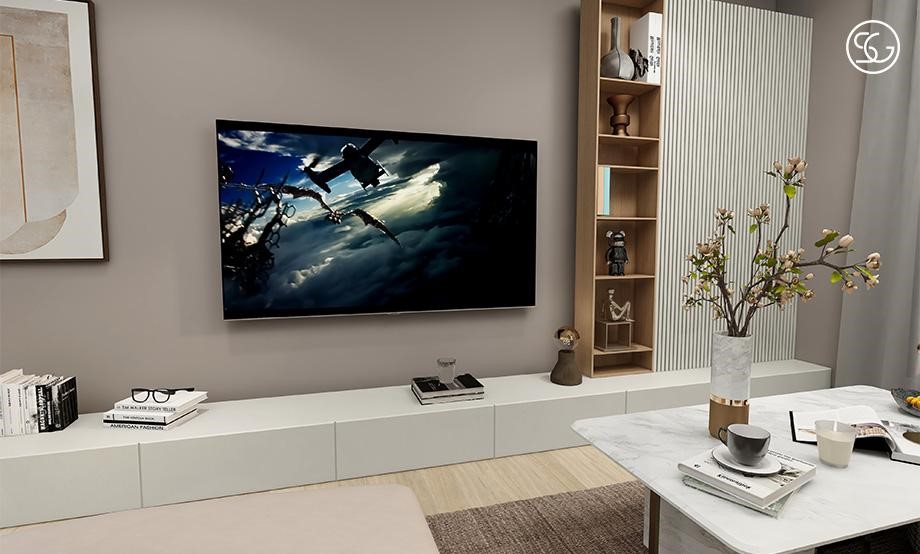
Choosing complementary colors involves understanding the color wheel. Colors that are across from each other on the wheel, like blue and orange or red and green, create a vibrant contrast that can be very appealing. For a TV stand, consider the primary color palette of your room. For instance, if your walls are painted in soft grey, a mustard yellow stand can add warmth and brightness while still maintaining balance. Additionally, tools like digital color pickers or apps can help visualize how different colors will look together before making a purchase.
Psychological Effects of Colors
Colors evoke certain emotions and can influence the mood of your space. Blue hues are often associated with calmness and serenity, making them ideal for minimalist or relaxation-centered areas. On the other hand, warmer colors like red and yellow can promote energy and stimulation, suitable for a lively family room. According to the Institute for Color Research, people make a subconscious judgment about a person or environment within 90 seconds of their first exposure, with colors significantly impacting that perception. Therefore, it’s crucial to align your choice of a TV stand with the desired ambiance of the room.
Design Elements to Consider
Minimalist vs. Ornate Designs
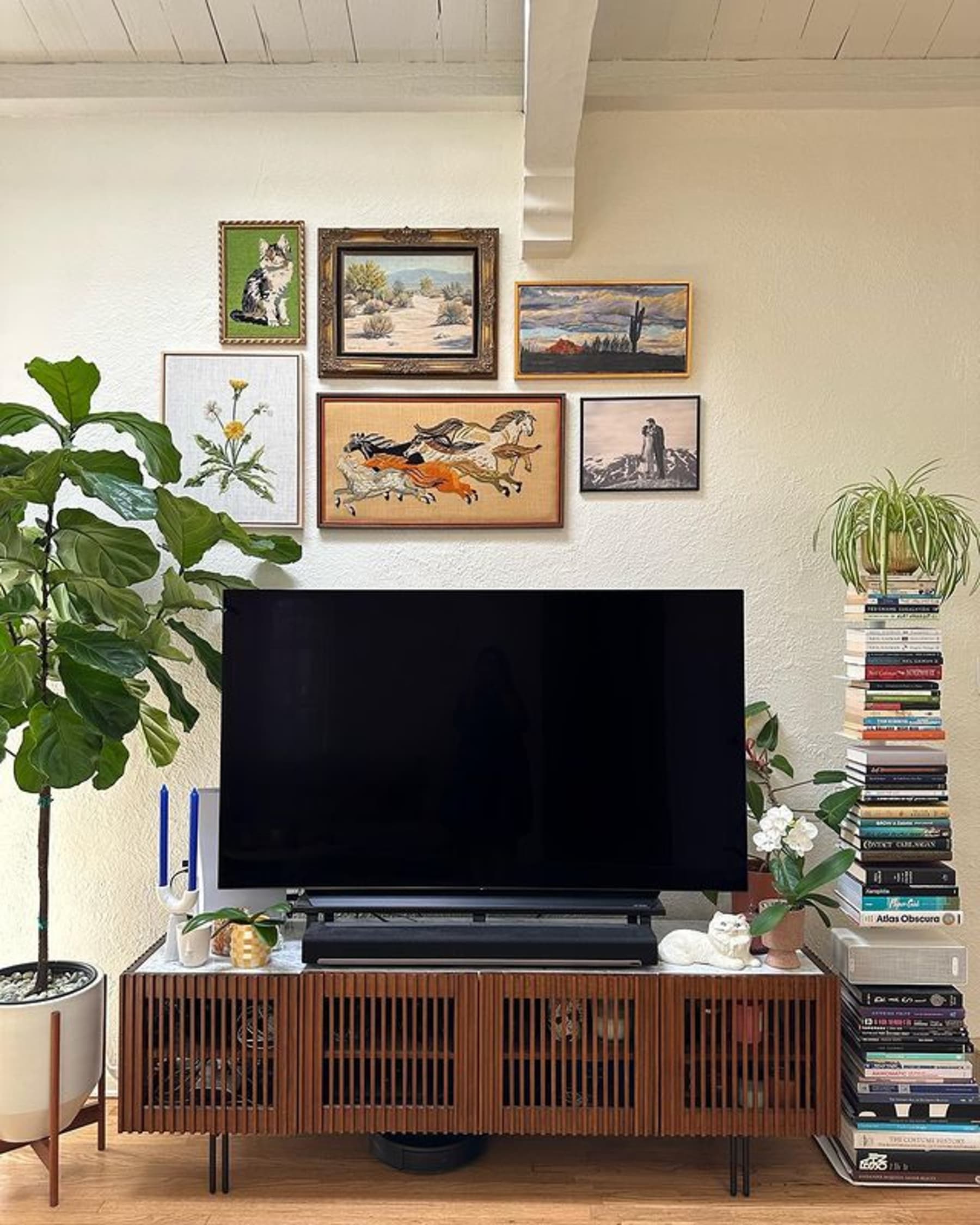
The choice between minimalist and ornate designs largely depends on the overall style of your interior. Minimalist stands embody simplicity with clean lines and neutral colors, which works well in modern and contemporary decor. For example, a sleek black TV stand with metal legs complements a Scandinavian-style living room effortlessly.
In contrast, ornate designs that feature intricate carvings or bold accents add character and flair, aligning well with traditional or vintage interiors. Imagine a beautifully carved wooden stand with rich finishes that could enhance a classic décor style. Assess the existing design elements in your room to make an informed choice.
The Importance of Texture
Texture adds depth and interest to your space. Mixing materials such as glass, wood, and metal can create a visually appealing contrast. For instance, pairing a wooden TV stand with metal accents or glass shelves introduces variety. Textured surfaces can also soften a space — a reclaimed wood stand can warm up an otherwise cold environment, while a glossy, modern finish can convey sophistication. According to a survey by the American Society of Interior Designers, texture ranks highly among elements that contribute to the aesthetics of a room, emphasizing its importance in overall design.
Styling Your TV Stand
Decorating Tips for a Cohesive Look
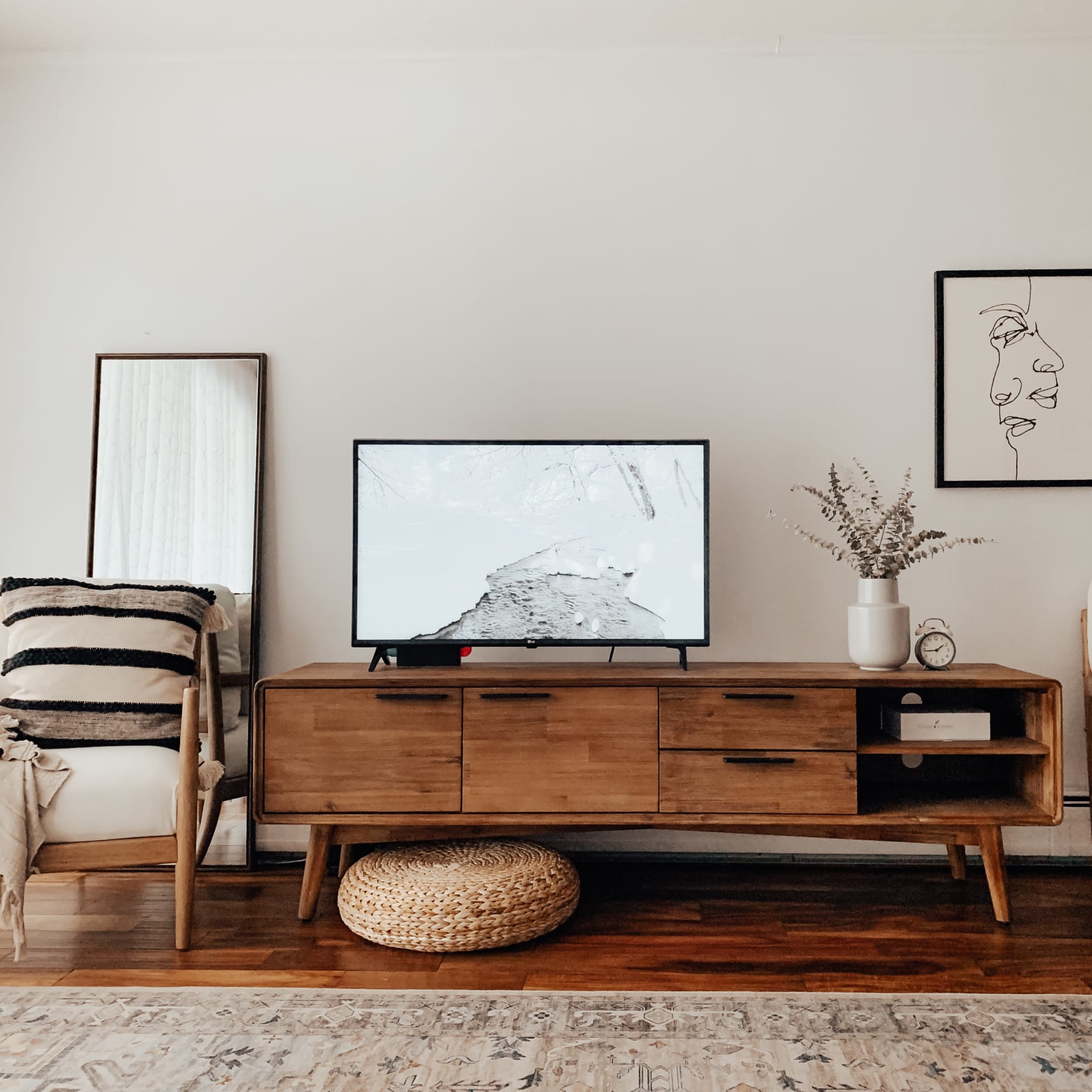
To achieve a cohesive look, consider using the “rule of three” when styling your TV stand. Arrange accessories or decor items in groups of three, varying their heights to create visual interest. For instance, you might place a medium-sized plant next to a stack of books and a decorative bowl.
Incorporating elements from the surrounding decor into your styling pieces can tie the room together. If your room has brass accents, including brass accessories on your stand can enhance the overall aesthetic. Consistency in color palette and design style will also contribute to the unity of the space.
Common Mistakes to Avoid
One common mistake is overcrowding the TV stand with too many items, which can overwhelm the space. Aim for a clean, curated look with intentional selections rather than random placements. Additionally, avoid placing the TV too high or too low; the center of the screen should be at eye level when seated for optimal viewing comfort.
Another pitfall is neglecting the harmony between the TV stand and other furniture. Ensure that colors and styles across pieces complement one another. For instance, if your sofa has a modern design, a vintage stand may clash, making the room feel disjointed.
Accessory and Multimedia Management

Organizing accessories and multimedia equipment can significantly enhance both appearance and functionality. Use cable management solutions to keep cords tidy and out of sight, such as cable boxes or clips that adhere to the back of the stand.
Consider modular storage options that provide space for game consoles, remotes, and DVDs while maintaining an uncluttered look. The average household has about 6 devices connected to their television, so effective storage solutions are essential. For aesthetic appeal, concealing items behind doors or within drawers can create a streamlined appearance, allowing your TV stand to take center stage without distraction from unsightly cords or clutter.
Organizing Cables and Devices
A crucial aspect of maintaining a neat and appealing space around your TV stand involves managing cables and devices effectively. Cluttered wires can detract from even the most stylish setup, making it essential to find solutions that promote a clean look.
Cable Management Solutions: Most modern TV stands come equipped with cable management features such as built-in grommets or channels at the back. Utilizing these can help conceal cables while keeping them accessible. Additionally, cable ties and sleeves can help bundle wires together, minimizing tangles and visual chaos.
Device Placement: Consider how and where devices such as gaming consoles, streaming devices, or DVD players are placed. Storing them on shelves designed for easy access not only reduces clutter but also aligns with a streamlined aesthetic. For example, low-profile stands can create an unobtrusive look while being functional.
Wall-Mounted Options: If floor space is limited, wall-mounted TV stands can be a fantastic option. They not only create a modern look but often come with the added benefit of integrated cable management systems. According to a survey, 32% of homeowners reported that wall-mounting their TV significantly improved their living space aesthetics.
Incorporating Decorative Items
While the primary function of a TV stand is to support your television and associated devices, it can also serve as a platform for decorative items that enhance your overall interior design.
Stylish Accessories: Incorporating decorative items such as vases, books, or picture frames can add personality to your TV area. For a contemporary look, consider sleek designs with metallic finishes. According to interior design experts, incorporating items with varying heights creates visual interest. For example, pairing tall vases with shorter objects can break up the linear nature of the TV stand.
Thematic Elements: Choose decorative items that reflect the style of your interior. For a rustic atmosphere, wooden elements or vintage finds might be more appropriate, whereas a minimalist setting could benefit from monochromatic objects. This thematic consistency ties the space together, making the TV stand an integral part of your design.
Plants for Freshness: Introducing greenery can enliven your space. Small potted plants or succulents are low-maintenance options that provide a fresh feel without overwhelming the area. Research indicates that incorporating plants can increase a sense of well-being and reduce stress, making your space more enjoyable.
Conclusion
Recap of Key Points
In selecting the ideal TV stand, proper organization of cables is essential to maintain a tidy appearance. Considering cable management solutions, thoughtful device placement, and even opting for wall-mounted stands can significantly enhance the cleanliness of your setup. Meanwhile, embellishing your TV stand with decorative items such as stylish accessories, themed elements, and greenery can turn a functional piece into a focal point of your living space.
Additional Resources and Inspiration
For further inspiration, consider visiting interior design websites or platforms like Pinterest for innovative ideas on styling your TV stand. Magazines dedicated to home décor often feature articles on the latest trends and practical tips. You can also explore furniture stores, both online and offline, to see various styles and functionalities.
A well-matched TV stand not only adds to the visual appeal of your living space but also promotes functionality and organization. By focusing on cable management, strategic device placement, and incorporating decorative elements, you can create an inviting and aesthetically pleasing environment that complements your personal style.