
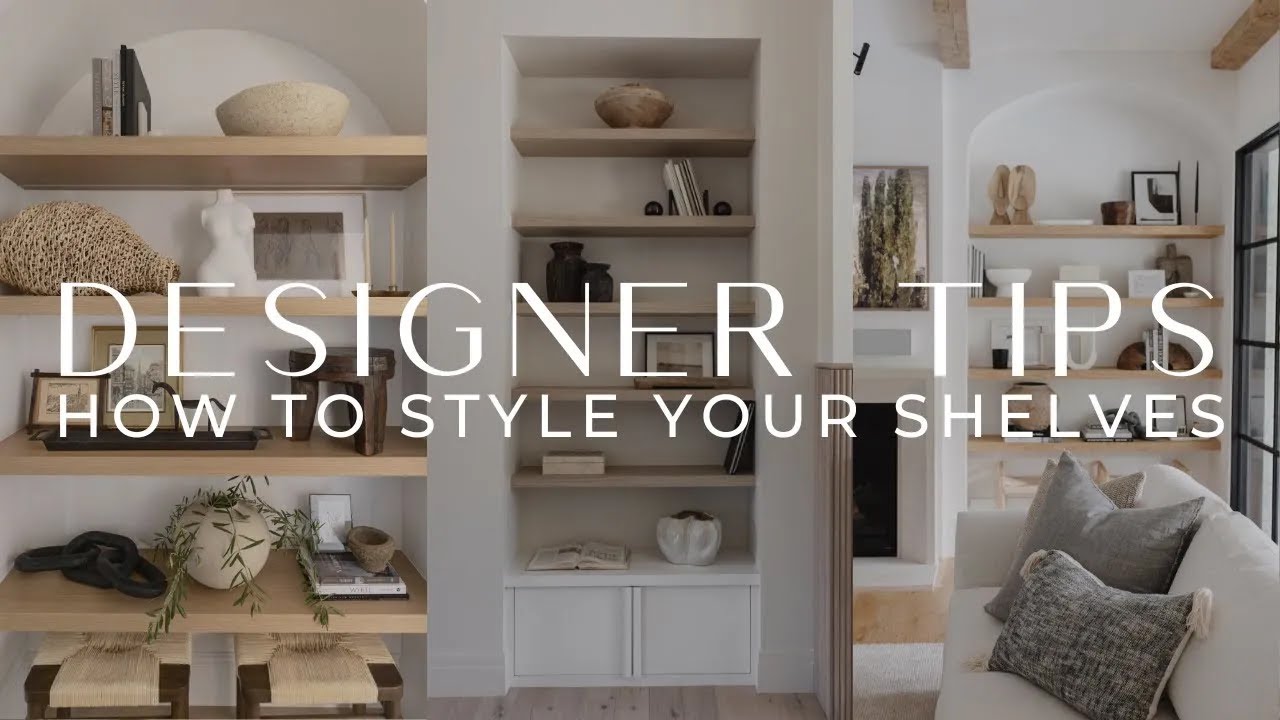
Styling shelves is more than just placing books and decorative pieces haphazardly; it’s an art form that enhances the overall aesthetic of your space. Whether you’re revamping a living room, home office, or kitchen, knowing how to style shelves like a pro is essential. In this guide, we dive into expert tips from interior designers that will help you achieve a harmonious balance of beauty and functionality in your shelving.
Ultimate Guide: How to Style Shelves Like a Pro
Understanding the Basics of Shelf Styling

Importance of Shelf Styling in Interior Design
Shelf styling plays a key role in interior design, serving as not only a functional space for storage but also a canvas for personal expression. Well-styled shelves can transform a room’s personality, making it feel curated and inviting. According to a survey by the American Society of Interior Designers, 90% of designers believe that personalized decor can significantly uplift a homeowner’s mood. Thus, investing time in styling your shelves is not just aesthetically pleasing but emotionally rewarding as well.
The Role of Functionality and Aesthetics
When styling shelves, finding a balance between functionality and aesthetics is crucial. Functionality ensures that your shelves serve their intended purpose, while aesthetics enhances the visual appeal. Interior designers recommend strategically organizing items to optimize both aspects. For instance, using baskets to conceal clutter adds charm while keeping items accessible. Shelves should not only be visually attractive but also practical for everyday use.
Key Elements to Consider
Color Schemes and Coordination
Creating a cohesive color scheme is a foundational element of effective shelf styling. When selecting items to display, consider a palette that complements the existing decor of your space. Bold colors can make a dramatic statement, while neutral tones offer a more subdued look. For example, using varying shades of blue and white can evoke a serene beach vibe, perfect for coastal homes. Designers often suggest using the 60-30-10 rule: 60% of your palette should be a dominant color, 30% a secondary color, and 10% an accent color.
Choosing the Right Materials and Textures
Incorporating different materials and textures adds depth to your shelves. Mixing items like ceramic vases, wooden bookshelves, and glass containers creates visual interest. Statistics show that diverse textures can enhance the aesthetic appeal by up to 30%. When selecting materials, consider the overall feel of your room; for example, rustic wooden elements can bring warmth to a modern space. This balance not only looks good but can contribute to a tactile experience.
Tips from Professional Interior Designers

Incorporating Personal Touches
One of the best ways to make your shelves stand out is by incorporating personal touches. This could be family photos, souvenirs from travels, or collectibles that tell your story. Designers advise showcasing items that evoke positive memories or represent your hobbies, as they add a unique flair to your space. For instance, if you’re an avid reader, displaying a well-curated selection of books alongside art pieces can create an intellectually stimulating environment.
Balancing Heights and Proportions
Balancing heights and proportions is key to achieving a visually pleasing shelf layout. Designers often recommend varying the height of items to create visual dynamism. Group taller items, like vases or books, with smaller decor pieces, like candles or figurines, to create a sense of movement. A common tip is to use odd numbers when grouping items; for example, a cluster of three or five creates a more organic look. By ensuring that no two items of the same height are next to each other, you can promote a more engaging display.
Creative Shelf Styling Techniques

Grouping Objects for Visual Impact
When styling shelves, grouping objects in clusters can create a more dynamic and visually appealing arrangement. Interior designers often recommend the "rule of three," which suggests that items arranged in odd numbers tend to be more aesthetically pleasing. For example, if you have a stack of three books next to a decorative vase, the contrast in height and texture can enhance visual interest.
Additionally, varying the size and shape of objects within a group can further elevate the visual impact. Consider mixing larger items, like a sculptural piece, with smaller accessories to create layers. According to studies, arrangements that incorporate varying dimensions can stimulate the eye, making the overall look more engaging.
Using Negative Space Effectively
Negative space, or the empty space around objects, plays a critical role in shelf styling. It allows the eye to rest and highlights the items displayed. Skilled designers often leave intentional gaps in arrangements, which can make each piece stand out more prominently. For instance, on a shelf filled with books and plants, leaving space between items gives viewers room to appreciate their individuality instead of overwhelming them with clutter.
The ideal ratio varies among styles, but a general guideline is to maintain about 30% negative space for a balanced look. This method not only enhances visual appeal but also creates a more serene environment within your space.
Common Mistakes to Avoid
Oversaturation vs. Minimalism
One common pitfall in shelf styling is striking the right balance between oversaturation and minimalism. An overcrowded shelf can seem chaotic, making it hard for items to be appreciated, while excessive minimalism might leave shelves looking bare and uninviting.
To avoid oversaturation, consider the "one in, one out" rule. For every new item you add, remove one existing piece to maintain balance. A well-styled shelf should contain several focal pieces without becoming overwhelming. Designers often recommend using a color palette or theme to help guide object selection and create cohesion, ultimately leading to a harmonious ensemble.
Ignoring Practical Use of Shelves
While aesthetics are crucial, functionality should not be overlooked. Shelves should serve a purpose—whether for storage or display. Often, homeowners neglect the practical aspect, forgetting that they can showcase not just decor but also everyday items, like books or kitchenware.
For example, if you have a bookshelf in a kitchen, consider placing frequently used items like spices or cookbooks on the lower shelves where they are easily accessible. This not only improves functionality but also integrates style with convenience, ensuring the shelves are both beautiful and usable.
Seasonal and Thematic Styling Ideas
Transforming Shelves with Seasonal Decor
Seasonal decorating is an excellent way to refresh shelf styling periodically. Designers often use simple decor swaps to align with various seasons or holidays. For spring, consider incorporating pastel colors, blooming flowers, or light fabrics; for fall, you might include warm hues, pumpkins, and cozy textiles.
Moreover, statistics show that seasonal decor can improve one's mood by creating a sense of connection to the time of year, making the space feel more inviting. Plan ahead by storing a selection of seasonal decorations, allowing you to easily make changes with each transition.
How to Create Themed Shelves
Themed shelves are a fun and creative way to express personality and interests. Whether it’s a travel-inspired shelf filled with souvenirs, books, and photographs from various destinations, or a nature-themed shelf featuring plant life and landscape art, a cohesive theme can unify the items displayed.
Interior designers suggest starting with a focal point, such as a larger piece that embodies the theme, then layering in complementary items with varying heights and textures. Taking inspiration from color schemes or materials related to the theme can also enhance the overall look and feel.
Maintenance and Updates
Maintaining and updating styled shelves is essential for keeping the space fresh and preventing it from becoming stale. Regularly assess the arrangement; a quick refresh every season can keep the decor dynamic. Consider rotating items, adding new pieces, or even changing the orientation of existing items to create a new perspective.
Setting aside time semi-annually to declutter can also improve appearance and functionality. This process allows for reflection on personal tastes, which may evolve, ensuring that your shelves consistently align with your lifestyle. Emphasizing maintenance not only improves aesthetics but also prolongs the life of your decor by keeping them free of dust and wear.
Regular Refreshes for Timeless Style
To keep your shelves looking fresh and stylish, it’s essential to revisit and update your arrangement periodically. An interior designer suggests refocusing your shelves seasonally, as this allows you to incorporate new trends, colors, and textures that resonate with the time of year. For example, during the summer, you might consider adding lighter colors and natural elements, such as seashells or fresh flowers, whereas autumn could bring in richer hues with decorations like mini pumpkins.
Regularly refreshing your shelves not only maintains their visual appeal but also provides an opportunity to showcase personal growth or shifts in interests. If you've recently traveled, including souvenirs or photography from your trips can invite stories and conversations. In terms of statistics, studies suggest that environments that are dynamic and personalized are linked to increased mood and creativity, emphasizing the importance of personal touches in your shelf decor.
In addition to seasonal updates, try to swap items out every few months. A rule of thumb is to refresh at least 20% of your shelf arrangement to keep it feeling intentional rather than stagnant. Not only does this keep things visually interesting, but it can also highlight new acquisitions or beloved items that have been tucked away for too long.
When to Reevaluate Your Shelf Arrangement
Timing can be crucial when it comes to reevaluating shelves. Major events in life, such as moving to a new home, starting a new job, or even changing seasons, provide the perfect occasion to reassess your shelves. This is when you can take stock of what truly represents you and your aesthetic.
Another critical cue for reevaluation is functionality. If you're finding it challenging to reach certain items or if the shelves feel cluttered, this may indicate that a rearrangement is in order. Practicality should always accompany aesthetics; a well-styled shelf should serve you as much as it decorates your space.
In a dynamic environment, such as a shared workspace or family home, regularly involving everyone in the re-evaluation process can foster collaboration and ensure that the arrangement reflects the collective identity of its inhabitants. For instance, in a family setting, let each member select one item to contribute, cultivating a sense of ownership and connection to the overall display.
Conclusion
In conclusion, styling shelves like a pro involves regular refreshes and timely reevaluation to keep your space looking vibrant and personal. Embrace the change of seasons and important life events as opportunities to inject new life into your arrangements. Remember to maintain functionality alongside aesthetic appeal, ensuring that your shelves not only beautify your home but also serve your everyday needs. By actively engaging with your shelf decor, you foster a living space that reflects your evolving identity and resonates with your personal style. A well-styled shelf is a testament to creativity, practicality, and personal expression, making it more than just a decorative element but an essential part of your environment.