
Selecting the ideal TV stand for your living room can significantly enhance your viewing experience and complement your interior design. With so many options available, it's essential to make an informed choice. In this guide, we present the top 5 tips for choosing the perfect TV stand for your living room, ensuring that style, functionality, and layout work seamlessly together.
Introduction to TV Stands

Importance of Choosing the Right TV Stand
The right TV stand is not just about aesthetics; it plays a vital role in functionality and protection of your television and other electronic devices. A sturdy stand prevents tipping, organizes cords, and maximizes available space. Research shows that 70% of consumers prefer their home decor to reflect their personal style, making the TV stand an essential element of your living room design.
Overview of TV Stand Types
There are several types of TV stands available, including traditional cabinets, modern minimalist designs, and wall-mounted units. Each style has unique characteristics that cater to different preferences, making it crucial to understand your options before making a purchase.
Tip 1: Consider Your Space

Measuring Your Living Room
Before purchasing a TV stand, accurately measure your living room space. Measure the width, height, and depth of the area designated for the stand to ensure it fits properly without overwhelming the room. For instance, if your living room is small, consider a compact, low-profile stand that doesn’t occupy too much space.
Assessing Room Layout
Evaluate the overall layout of your living room to determine the best placement for your TV stand. Take into account the distance from seating areas to the TV, as well as the flow of movement within the room. For example, if your sofa faces a fireplace, you might want a stand that aligns with both the TV and the fireplace for a coherent design.
Tip 2: Match Your Style

Understanding Different Design Styles
Familiarizing yourself with various design styles will help you select a TV stand that complements your living room. Common styles include:
Modern: Characterized by sleek lines and minimal ornamentation, perfect for contemporary spaces.
Rustic: Features natural materials and warm tones that add a cozy, inviting feel.
Traditional: Often ornate and classic, these stands provide a timeless appeal.
When choosing a stand, consider what design style resonates with your preferences and harmonizes with other furniture.
Coordinating with Existing Decor
To achieve a cohesive look in your living room, ensure that the TV stand coordinates with your existing decor. Pay attention to details such as color, material, and shape. For instance, if your living room features a beige color palette and wooden furniture, opting for a wooden TV stand in a similar tone will create a seamless connection with your decor. This approach not only enhances visual appeal but also reinforces your personal style throughout the space.
Tip 3: Material Matters
Different Materials Available
When choosing a TV stand, the material can greatly affect durability, aesthetics, and maintenance. Common materials include:
Wood: This classic choice is known for its durability and timeless appeal. Solid wood offers strength, while engineered wood (like MDF or particleboard) is lighter and often more affordable.
Metal: Metal stands are modern and sleek, often used in contemporary decor. They are typically very durable and can support heavier televisions.
Glass: Glass TV stands provide a modern look and can make a space feel larger. They often come with metal frames and complement a variety of styles.
Pros and Cons of Each Material
Material | Pros | Cons |
Wood | Durable, classic aesthetic, easy to finish | Can be expensive, heavy, may warp |
Metal | Sturdy, modern look, less likely to scratch | Can be cold/hard in appearance, heavy |
Glass | Sleek design, visually light | Can be fragile, requires regular cleaning |
For example, a solid oak TV stand provides a robust structure that can last for generations, while a glass stand may be ideal for someone seeking a minimalist vibe but requires careful handling.
Tip 4: Functionality Features

Storage Solutions
Selecting a TV stand with adequate storage can enhance your living space's functionality. Look for:
Shelving Options: Open shelves provide a great place for media players while closed cabinets can help conceal clutter.
Drawers: A good set of drawers can store remote controls, games, and DVDs, ensuring your living room remains tidy.
An example of effective storage is a TV stand with adjustable shelves that can accommodate varying sizes of components, making it versatile for different technology setups.
Cable Management Options
In today’s digital world, managing cables is crucial for a clean look. Consider a stand with built-in cable management features such as:
Cable Holes: Many modern TV stands come with pre-drilled holes at the back to allow cables to pass through neatly.
Cable Ties/Clips: Some stands are designed with clips or trays to bundle cables, preventing tangles and clutter.
For instance, a TV stand equipped with a cable management system not only declutters your space but also helps prevent wear on cables by minimizing exposure.
Tip 5: Budget Consideration
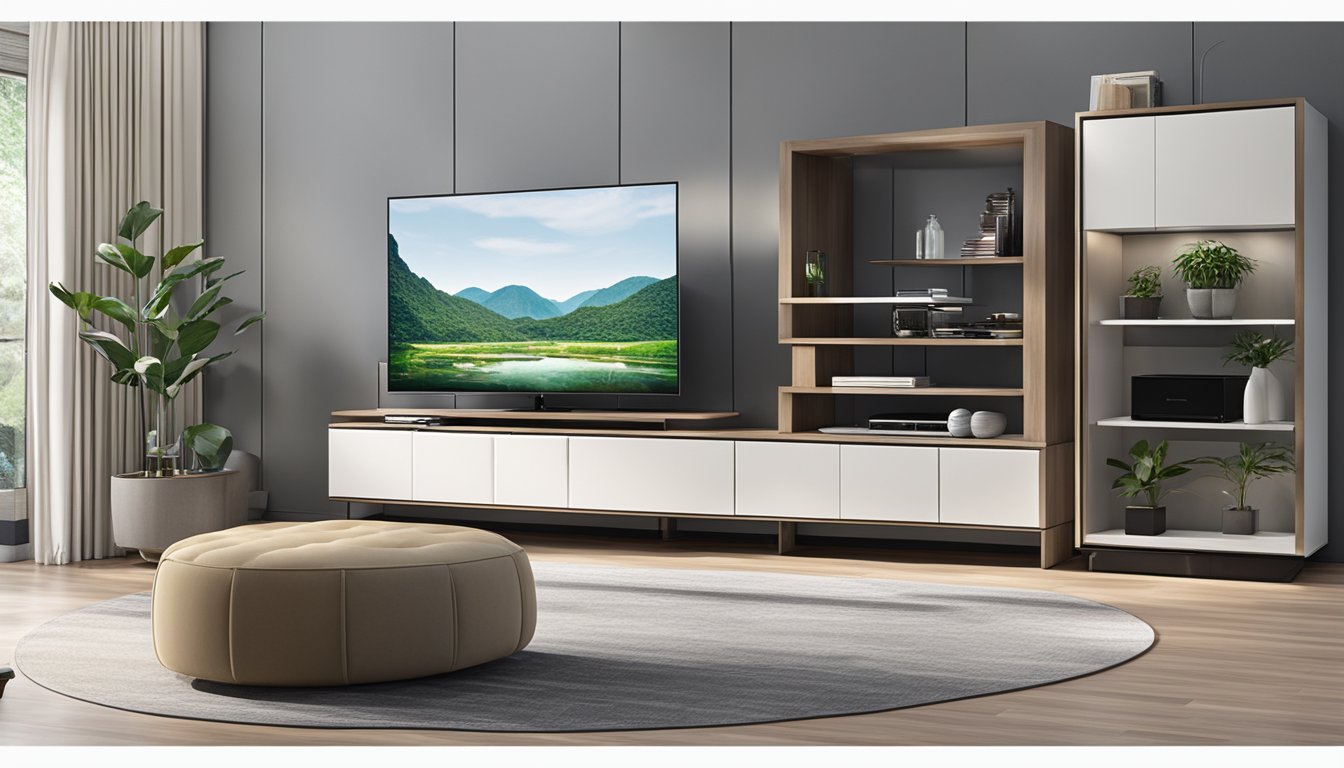
Finding Affordable Options
A wide range of price points exists when shopping for a TV stand. To find something within your budget:
Consider Pre-owned Options: Online marketplaces or local thrift stores often have quality second-hand furniture at reduced prices.
Sales and Discounts: Keep an eye on seasonal sales, where you may find substantial discounts, especially around major holidays.
Value for Money Analysis
Investing in a quality TV stand can offer long-term benefits, making it crucial to analyze value. Here are a few considerations:
Longevity vs. Cost: A higher initial investment for solid wood may last longer than a cheaper particleboard option, leading to cost savings over time.
Additional Features: Assess if more expensive options include features you require, such as cable management or additional storage, which can enhance your experience.
For example, a compact TV stand may be less expensive but provide minimal storage, whereas a slightly higher-priced model with storage can eliminate the need for additional furniture.
Conclusion
Choosing the perfect TV stand involves thoughtful consideration of materials, functionality, and budget. By focusing on these factors, you can find a stand that not only complements your living room aesthetic but also meets your practical needs, paving the way for an enjoyable viewing experience.
Recap of Key Points
Size and Proportionality: The size of your TV stand should be proportional to the size of your television and the space available in your living room. For instance, a stand that is too small can look awkward, while one that is disproportionately large can overwhelm the space. A general rule of thumb is to choose a stand that is at least 1.5 times the width of your TV screen.
Style and Aesthetic Match: The design of the TV stand should complement the overall décor of your living room. Whether your space is modern, rustic, or traditional, there are various styles that can align with your theme. For example, a sleek, glass TV stand fits well in minimalist settings, while a wooden stand can enhance a cozy, rustic ambiance.
Storage and Organization: Consider the storage options offered by the TV stand. Ample storage for audio/video equipment, games, and décor items can help keep your living room organized. Many stands come with shelves, cabinets, and drawers. Statistics indicate that homes with better organization tend to feel less cluttered, making it easier to relax and enjoy entertainment.
Material and Durability: The material of the TV stand is crucial in terms of longevity and maintenance. Common materials include wood, metal, and glass. Solid wood stands typically offer durability and style, while metal options may appeal to industrial aesthetics. Glass top stands provide a modern look but need careful handling to avoid chips or cracks.
Cable Management Features: Effective cable management is essential for a clean and tidy living space. Many contemporary stands come equipped with built-in cable management systems, allowing you to hide unsightly cords and enhance the overall appearance of your living room. Stands with back panels or cable grommets serve to keep cables organized and out of view.
Final Thoughts on Choosing a TV Stand
When selecting the right TV stand for your living room, it’s imperative to consider not only the aesthetic compatibility but also functionality and practicality. The stand should serve as a focal point that enhances the room's design while providing the necessary support and storage for your TV and other media devices. Pay attention to the size, style, material, storage solutions, and cable management features to ensure that your investment serves your living space effectively for years to come. By carefully weighing these factors, you can create an inviting and organized entertainment area that enhances your viewing experience and complements your home environment beautifully. Ultimately, the perfect TV stand will harmonize form and function, elevating your entire living room setup.